HELPING YOU PLAN FOR THE FUTURE
Estate Planning and Wills - Lawyer in Chagrin Falls, Ohio
Protect Your Family, Your Assets, and Your Future
Estate planning is one of the most important steps you can take to protect the people and priorities that matter most. At Robert Adelman Law, we help individuals and families in Chagrin Falls and the surrounding Northeast Ohio communities create clear, legally sound estate plans designed to reduce confusion, avoid unnecessary disputes, and give loved ones direction when they need it most.
Whether you need a simple will, help updating an existing estate plan, or guidance on powers of attorney and future decision-making, Robert Adelman Law provides practical legal counsel tailored to your goals.
Schedule a consultation with an estate planning lawyer in Chagrin Falls today.
Estate Planning Services in Chagrin Falls, Ohio
A thoughtful estate plan is more than a document. It is a plan for how your property, finances, healthcare decisions, and family responsibilities should be handled if you pass away or become unable to make decisions for yourself.
Robert Adelman Law helps clients with estate planning matters such as:
- Last wills and testaments
- Estate planning guidance
- Powers of attorney
- Healthcare decision planning
- Living wills and advance directives
- Beneficiary and asset planning considerations
- Guardianship planning for minor children
- Will updates and revisions
- Estate and family dispute prevention
- Legal guidance for blended families, second marriages, and changing life circumstances
Why Having a Will Matters
A will allows you to state who should receive your property, who should manage your estate, and who you would want to care for minor children if something happens to you. Without a properly prepared will, important decisions may be left to Ohio law and the probate process instead of your personal wishes.

In Ohio, a valid will generally must be written, signed by the person making the will, and witnessed in the manner required by law. Ohio law states that, except for limited exceptions, wills must be in writing, signed at the end, and attested by two or more competent witnesses.
A properly prepared will can help:
- Clarify your final wishes
- Reduce family conflict
- Identify who receives specific assets
- Name an executor to handle your estate
- Provide direction for loved ones
- Help avoid uncertainty during an emotional time
What Is Included in an Estate Plan?
Every estate plan should be built around your life, your family, your assets, and your goals. For some people, a basic will may be enough. For others, additional documents may be needed to address decision-making authority, healthcare preferences, family needs, business interests, or property concerns.
Last Will and Testament
A last will and testament explains how you want your probate property distributed after death. It can also name an executor and provide guidance for handling your estate. The Ohio State Bar Association describes a will as a document that states how a person wants probate property distributed after death.
Healthcare Planning Documents
Healthcare directives and related documents can help communicate your wishes and authorize a trusted person to make medical decisions if you cannot speak for yourself.
Power of Attorney
A power of attorney allows someone you trust to make certain financial or legal decisions for you if you are unable to act on your own. This can be especially important if you become ill, injured, unavailable, or incapacitated.
Guardianship Planning for Minor Children
For parents, estate planning can include naming a preferred guardian for minor children. This gives the court and family members clear direction about who you trust to care for your children if both parents are no longer able to do so.
Planning for Family Conflict
Prevention
A clear estate plan can help prevent misunderstandings among family members. This is especially important for blended families, unmarried partners, second marriages, family businesses, estranged relatives, or situations where assets may be disputed.

Estate Planning Is Not Just for the Wealthy
Many people assume estate planning is only necessary for large estates, but that is not true. If you own property, have children, have savings, have personal belongings you care about, or want someone specific to make decisions for you, an estate plan can help.

You may need an estate plan if:
- Own a home
- Have children or grandchildren
- Recently got married or divorced
- Have a blended family
- Own a business
- Have retirement accounts or life insurance
- Want to avoid unnecessary family disputes
- Need to update an old will
- Want control over who handles your affairs
- Want to make things easier for your loved ones
Wills vs. Estate Planning: What Is the Difference?
A will is one important part of an estate plan, but estate planning is broader. A will mainly addresses what happens to certain property after death. Estate planning may also address what happens during your lifetime if you become unable to make financial, legal, or medical decisions.
In simple terms:
- A will says what happens after you pass away.
- An estate plan helps prepare for both death and incapacity.
That is why many Ohio families benefit from having more than just a basic will.
Planning with a purpose
Helping Chagrin Falls Families Plan with Confidence
Robert Adelman Law works with clients throughout Chagrin Falls and nearby communities who want practical legal guidance without unnecessary complexity. Estate planning can feel overwhelming, but the right attorney can help make the process understandable and manageable.
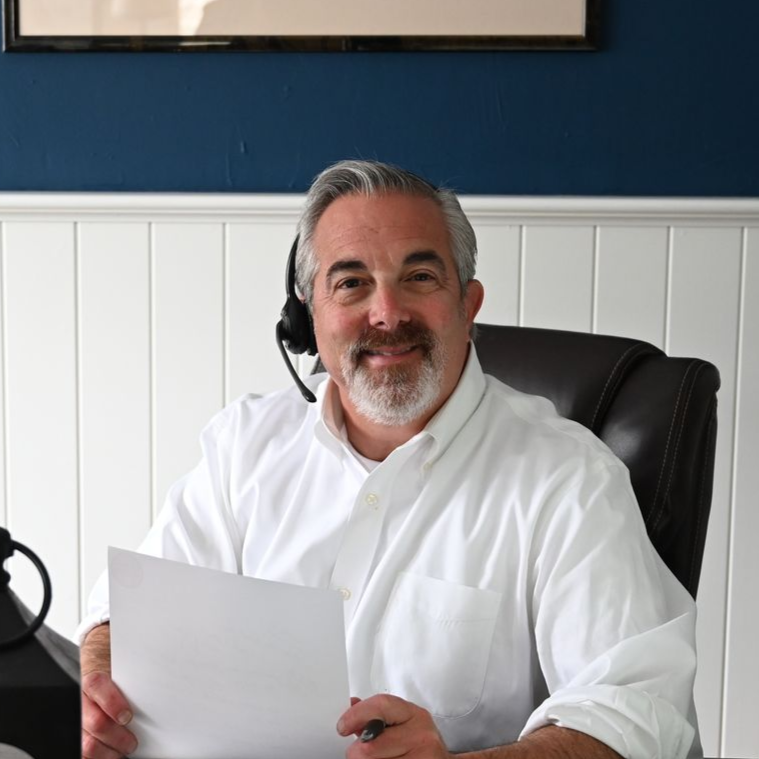
With Robert Adelman
Attorney
Our Approach Focuses On:
- Clear explanations
- Personalized legal guidance
- Practical planning
- Careful document preparation
- Avoiding unnecessary confusion
- Protecting your wishes and your loved ones
Whether you are preparing your first will, updating an old plan, or trying to make sure your family is protected, Robert Adelman Law can help you take the next step.
When Should You Update Your Will or Estate Plan?
Your estate plan should reflect your current life. If your documents are outdated, they may not match your current family, finances, or wishes.
Consider reviewing your will or estate plan after:
- Marriage
- Divorce
- Birth or adoption of a child
- Death of a spouse or beneficiary
- Buying or selling a home
- Starting or selling a business
- Moving to Ohio from another state
- A major change in assets
- A change in family relationships
- A change in who you trust to make decisions
Even if nothing major has changed, it is a good idea to periodically review your estate planning documents to make sure they still reflect your goals.
Our Estate planning service area
Local Estate Planning Attorney Serving Chagrin Falls and Surrounding Areas
Robert Adelman provides estate planning and wills legal services for clients in Chagrin Falls and nearby Northeast Ohio communities, including:
Chagrin Falls, South Russell, Moreland Hills, Bentleyville, Hunting Valley, Bainbridge, Solon, Pepper Pike, Orange, Beachwood, Woodmere, Aurora, Twinsburg, and surrounding areas.
Talk to an Estate Planning Attorney in Chagrin Falls
Planning ahead gives your family clarity, direction, and peace of mind. Robert Adelman Law helps clients create estate plans that are practical, personalized, and designed around their unique needs.
If you need a will, want to update an estate plan, or have questions about planning for the future, contact Robert Adelman Law today.
Contact Robert Adelman Law to schedule an estate-planning consultation at our Chagrin Falls office.
Estate Planning FAQs
Frequently Asked Questions About Estate Planning and Wills
Do I need a will in Ohio?
If you want control over who receives your property, who manages your estate, and who may care for minor children, having a will is important. Without a will, Ohio law may determine how certain assets are distributed.
What happens if I die without a will in Ohio?
If someone dies without a will, their probate property is generally distributed according to Ohio intestacy laws. This may not match what the person would have wanted, especially in blended family situations or where specific gifts were intended.
Is a will the same as an estate plan?
No. A will is one part of an estate plan. A complete estate plan may also include powers of attorney, healthcare directives, beneficiary planning, and other documents that address both lifetime decisions and what happens after death.
Can I write my own will in Ohio?
Some people try to write their own will, but mistakes can create confusion, disputes, or probate problems. Because Ohio has specific legal requirements for wills, working with an attorney can help ensure the document is properly prepared and signed.
When should I update my will?
You should consider updating your will after major life changes such as marriage, divorce, having children, buying property, losing a loved one, or changing who you want to receive assets or make decisions for you.
What is probate?
Probate is the legal process used to administer certain property after someone passes away. The Ohio State Bar Association describes probate as a legal proceeding to administer certain kinds of property owned by someone who has died.
Can estate planning help avoid family disputes?
Yes. A clear estate plan can reduce confusion by explaining your wishes, naming trusted decision-makers, and giving your family written legal direction.
Do young families need estate planning?
Yes. Young families often need estate planning to name guardians for minor children, protect assets, and make sure loved ones have clear direction if something unexpected happens.
How do I start the estate planning process?
The first step is to speak with an estate planning attorney about your family, assets, goals, concerns, and current documents. From there, Robert Adelman Law can help determine what documents and planning steps make sense for your situation.